


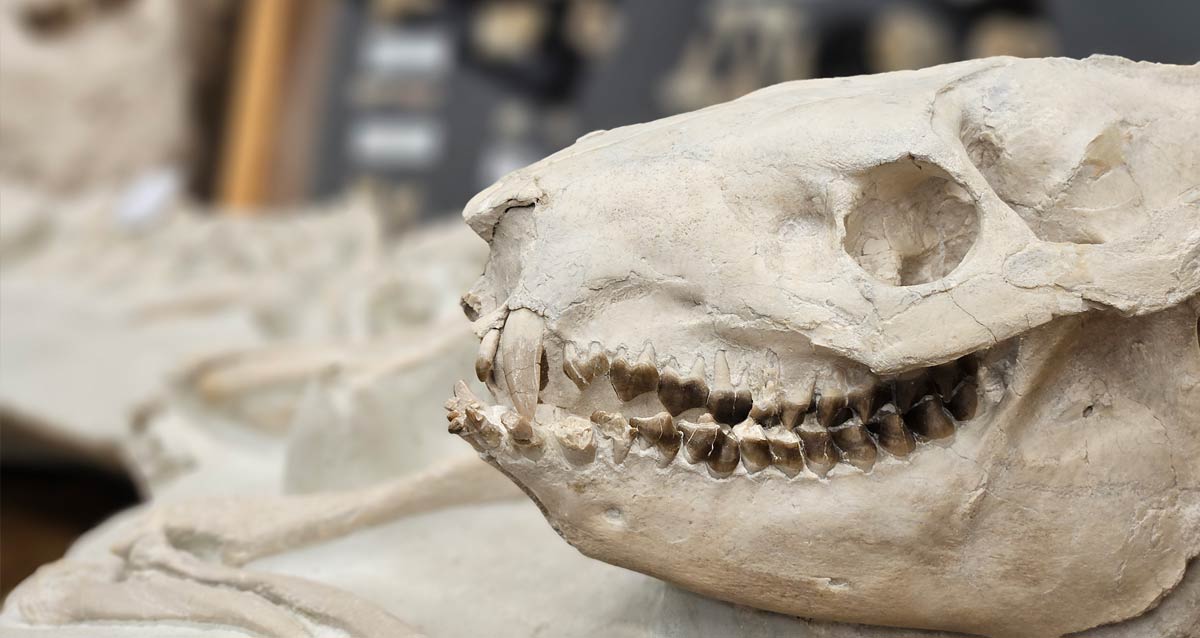
Buying fossils in Vancouver is not the same as buying local minerals, crystals, or lapidary material. British Columbia has important fossil sites, but Vancouver is not sitting beside a major commercial fossil formation with a direct “source-to-market” supply chain. That means most fossils sold in Vancouver arrive through a wider international network of fossil miners, preparators, wholesalers, importers, and rock shops.
For collectors, that matters. The best place to buy fossils in Vancouver is not necessarily the place with the cheapest bowl of ammonites or shark teeth. It is the place with enough variety, knowledge, and inventory depth to let you actually understand the fossil market.
Why Fossils Are Different From Other Rocks
With many minerals, a shop may be close to the source. A British Columbia rock shop might carry local jade, quartz, agate, garnet, or other regional material with a clearer connection between the ground and the storefront.
Fossils are different.
Unless a shop is located near a famous fossil-bearing formation, there is usually no simple local supply chain. Many major fossil dealers are built around specific fossil claims, quarries, or preparation operations. Their main fossil source becomes the foundation of the business. From there, they wholesale to other dealers, trade with other suppliers, and reinvest into wider rock, mineral, fossil, and crystal inventory.
That is how the rock world works. It is a highly interconnected trade. Miners, importers, fossil preparators, mineral dealers, jewelry makers, and shop owners all buy from each other. Very few suppliers stick to only one product, even when they control a strong source for a particular fossil, mineral, or stone.

Famous Fossil Areas Create Fossil Markets

Some fossil locations naturally create retail fossil markets because they are also tourist destinations. Places such as the Green River Formation, the Utah badlands, Arizona petrified wood areas, and other well-known fossil regions attract collectors, museums, tourists, and educators.
That creates demand directly beside the source.
When a fossil locality becomes famous, shops, roadside stands, museums, visitor centres, and fossil dealers often grow around it. Customers arrive already interested. The fossil market forms because the geology, tourism, and public fascination all overlap.
Vancouver does not have that same fossil economy.
Does British Columbia Have Fossils?
Yes. British Columbia has scientifically important fossil sites, including the McAbee Fossil Beds near Cache Creek. McAbee is significant for Eocene fossils, including plants, insects, fish, and other well-preserved ancient life. But it is a protected heritage site, not a commercial fossil source for Vancouver retail shops.
That distinction is important.
A scientifically important fossil site does not automatically create a buying market. In fact, the more scientifically important a fossil site is, the more likely it is to be protected, regulated, or managed for research, education, and heritage value rather than commercial collecting.
So when people search for where to buy fossils in British Columbia, the answer is not usually “go to the source.” The better answer is: find a fossil shop that has already done the sourcing, importing, selection, preparation, and curation.
Why Vancouver Fossil Buyers Are Spoiled

This is where Rubble Rock and Gem stands apart.
For a city without a major commercial fossil formation nearby, Vancouver has unusually strong access to fossils through Rubble Rock and Gem. The fossil section is not an afterthought. It is built like a real collecting category, with enough depth for beginners, hobby collectors, decorators, educators, and more serious fossil buyers.
Many rock shops carry fossils, but often in a limited way: a few ammonites, shark teeth, orthoceras plates, trilobites, petrified wood pieces, and small impulse-buy specimens. That is fine for souvenirs, but it does not give people a serious entry point into fossil collecting.
A proper fossil section needs variety. It should show different fossil types, preservation styles, geological ages, price levels, and display qualities. That is what allows a beginner to move beyond “this looks cool” and start understanding what they are actually buying.
Display Fossils vs. Study Fossils
Not every fossil is visually impressive.
Many fossils are fragments, impressions, partial shells, plant traces, bone pieces, or subtle textures in stone. These can be scientifically interesting, but they are not always display-worthy. Commercial fossil buyers usually want specimens that are recognizable, attractive, stable, and easy to understand without needing a paleontology degree.
That narrows the market.
Only certain fossil types become common commercial sellers because they balance beauty, recognizability, availability, and price. Fossils that require extensive preparation usually cost more because the labour is part of the specimen. A fossil may be inexpensive in the ground but expensive by the time it is cleaned, stabilized, repaired, mounted, imported, and retailed.
This is why a strong fossil inventory is hard to build. It takes time, supplier relationships, importing experience, and the ability to judge what will actually make sense for collectors.
Buying Fossils Online vs. Buying Fossils in Store
Buying fossils online can look cheaper at first, but the final cost is often different once shipping, duties, breakage risk, import restrictions, and uncertainty are included.
Fossils are heavy, fragile, and sometimes awkward to ship. Large plates, delicate prepared specimens, fossil fish, trilobites, ammonites, and petrified wood can all be expensive to move safely. A low online price can quickly become less attractive once the shipping cost appears at checkout.
Buying in store solves several problems at once:
-
You can inspect the fossil before buying it.
-
You can compare size, weight, preparation quality, and display value.
-
You avoid surprise shipping costs.
-
You reduce the risk of breakage in transit.
-
You can ask questions before spending money.
-
You can buy from a shop that has already handled the importation and sourcing work.
For many fossil buyers in Vancouver, buying retail can be better value than buying online, especially once the true landed cost is considered.
What Fossils Can You Buy at Rubble Rock and Gem?
Rubble Rock and Gem carries fossils for people who want more than a basic souvenir selection. The in-store fossil inventory gives collectors a real chance to compare different fossil categories and start building taste.
A good fossil collection can include display pieces, educational fossils, small affordable specimens, larger statement pieces, and unusual items that do not appear in every rock shop. That range matters because fossil collecting is not one single hobby. Some people collect by species. Some collect by age. Some collect by location. Some collect for interior design. Others collect because fossils connect geology, biology, deep time, and natural history in one object.
That is the strength of a serious fossil section: it gives the collector room to grow.
The Best Place to Buy Fossils in Vancouver
If you are looking to buy fossils in Vancouver, visit Rubble Rock and Gem.
Vancouver does not have the same fossil-source retail culture as famous fossil regions in Utah, Wyoming, Arizona, or Alberta. That makes a strong local fossil inventory more valuable, not less. Rubble Rock and Gem brings the fossil market to Vancouver by sourcing, importing, selecting, and presenting fossils that would otherwise require collectors to hunt through scattered online listings, out-of-town dealers, or gem shows.
For beginners, it is a practical place to start. For collectors, it is a place to compare real inventory. For gift buyers, it offers fossils that are more interesting than generic tourist pieces. For Vancouverites, it makes fossil collecting far more accessible than it would be otherwise.
When you want to buy fossils in Vancouver, come to Rubble Rock and Gem and see the selection in person. The variety is the difference.
By Adam Kelliher