




Specifications
Descripción
Mined from: Renéville Mine, Pool Department, Republic of the Congo
Description: Congo's dioptase has a long history in European collections. The mineral was first noted from "Gabon" in 1874. In 1890, crystals brought back by the explorer Thollon from the Mindouli mine, between Bouenza and Brazzaville, went on display at the Paris natural history museum, where they were said to rival the classic dioptase of Siberia.
Renéville, in the Pool Department of the Republic of the Congo, takes its name from René Petit-Jean, who directed the first mining work there for the Compagnie du Djoué around 1913. Its copper and lead ores are also the type locality of a rare mineral, fornacite.
Dioptase is a hydrated copper silicate. It forms near the surface, where weathering copper ores release copper that combines with silica, and the copper gives it its intense green colour.
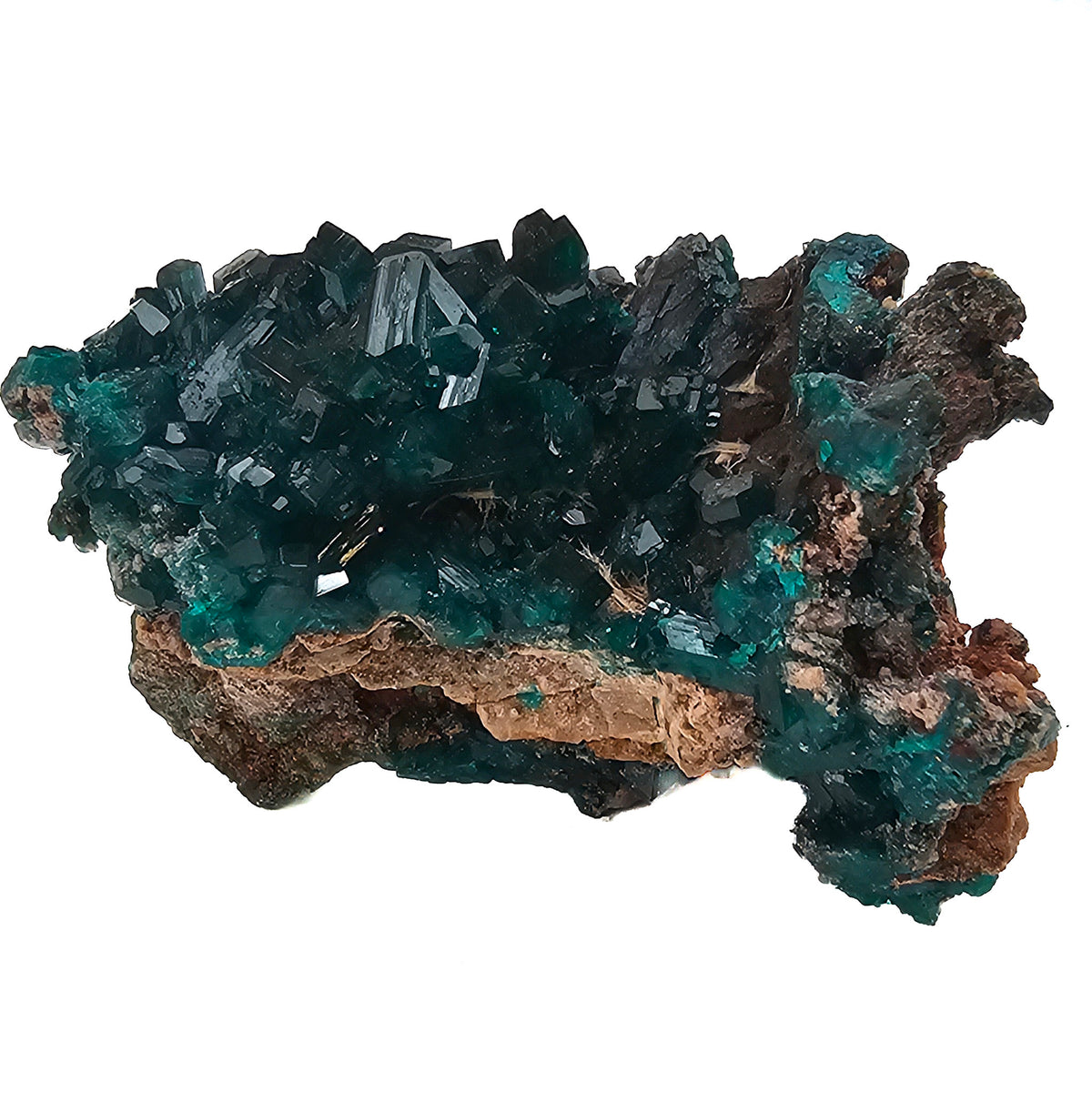
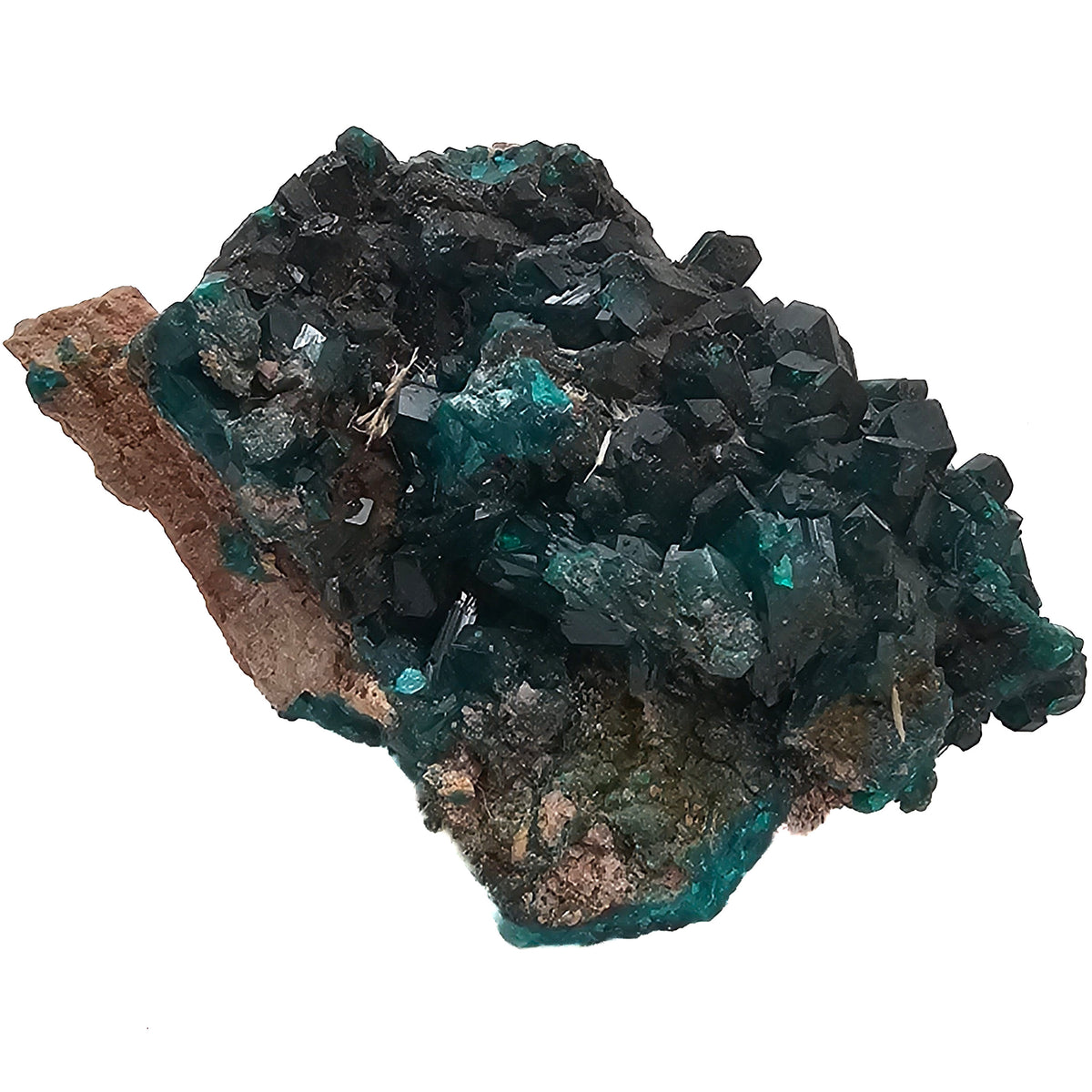
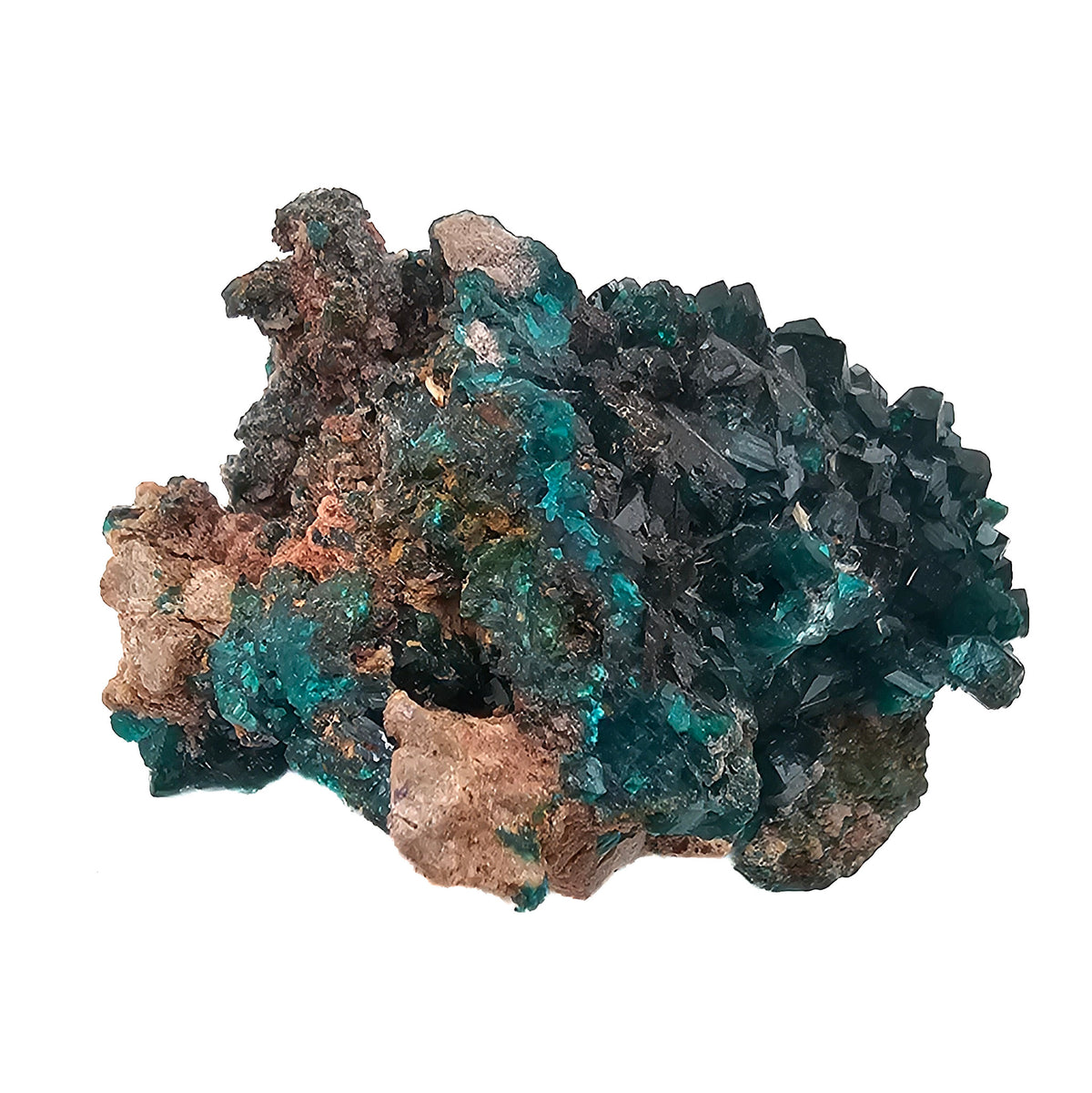
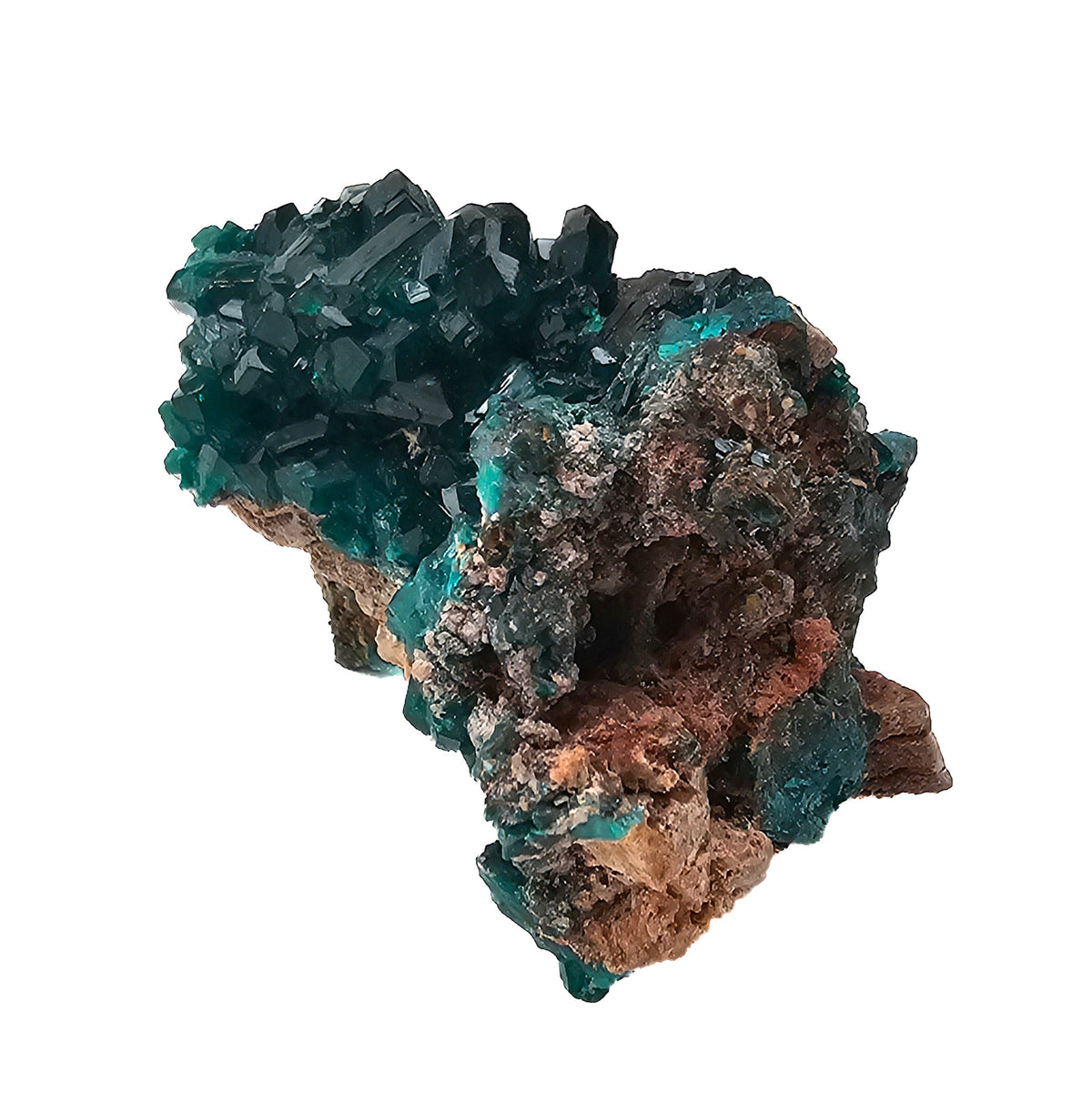
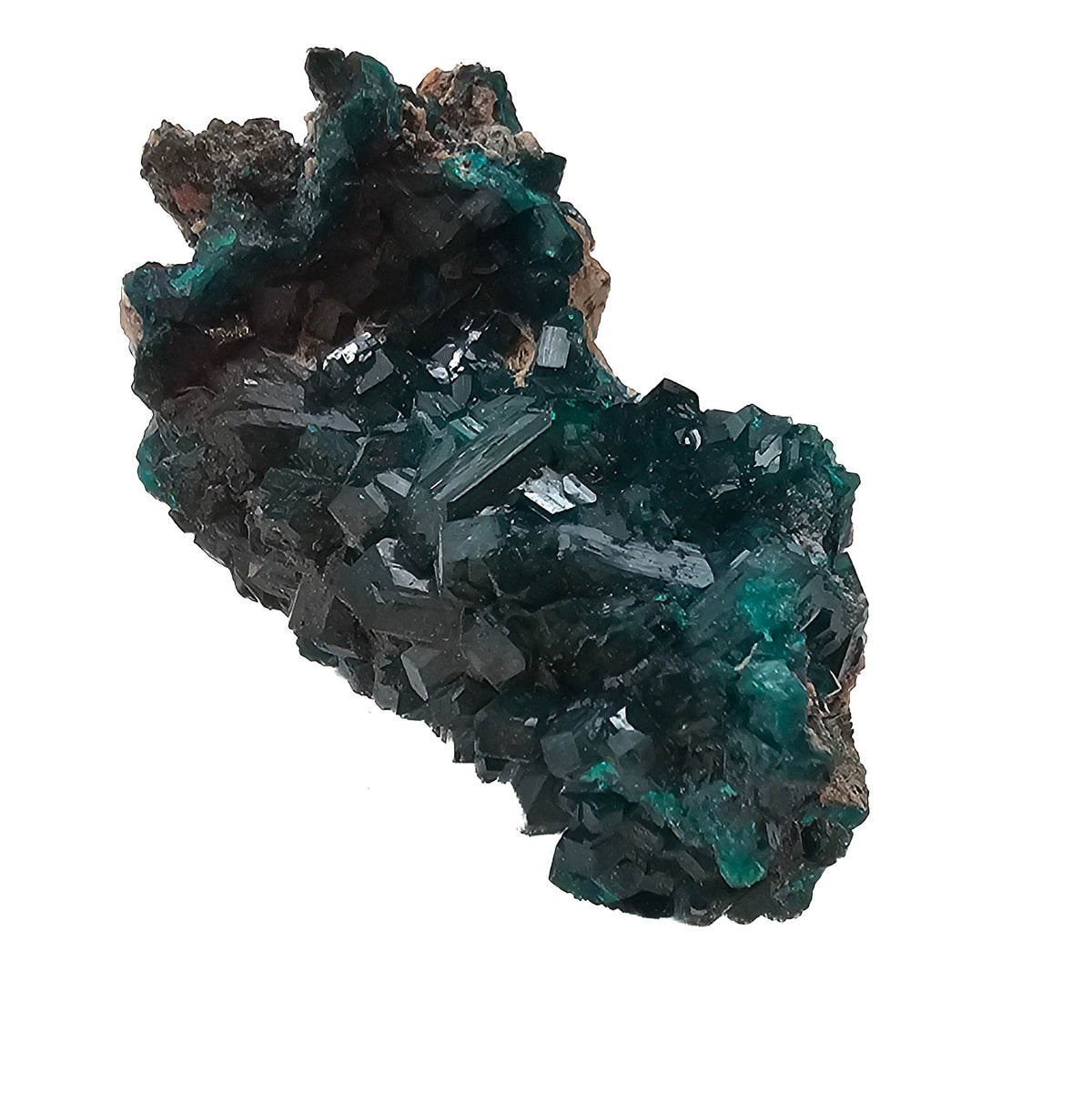
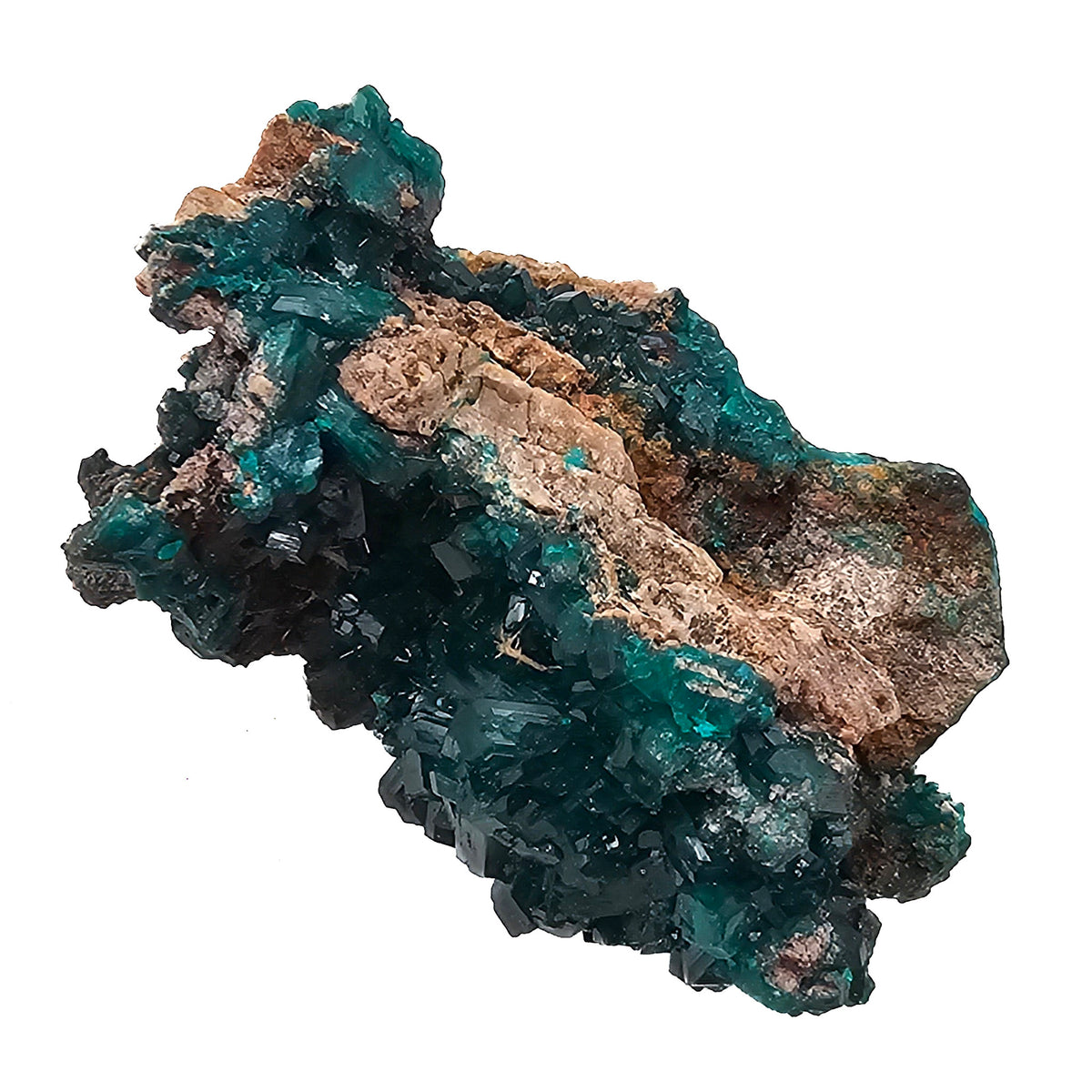
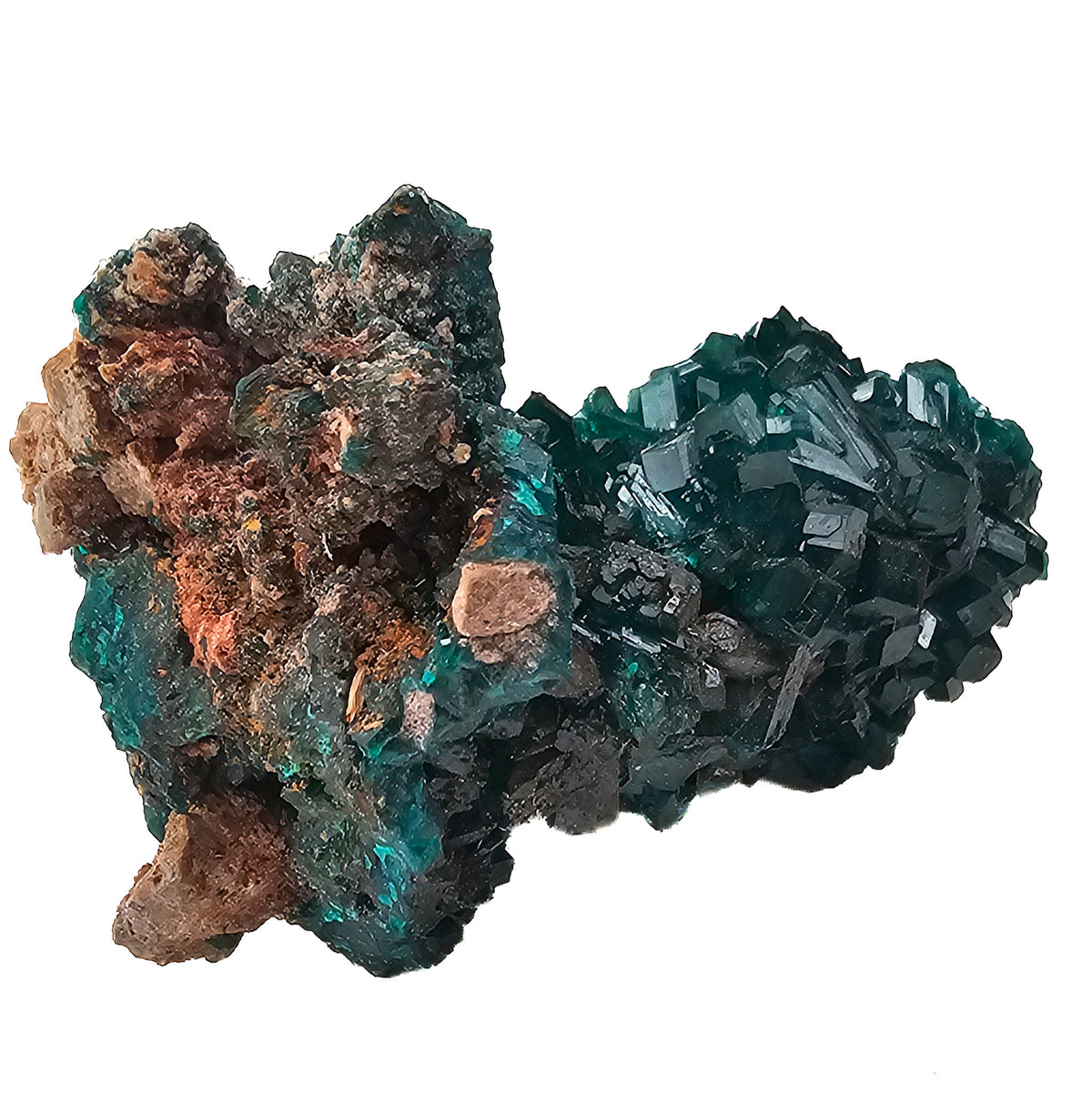
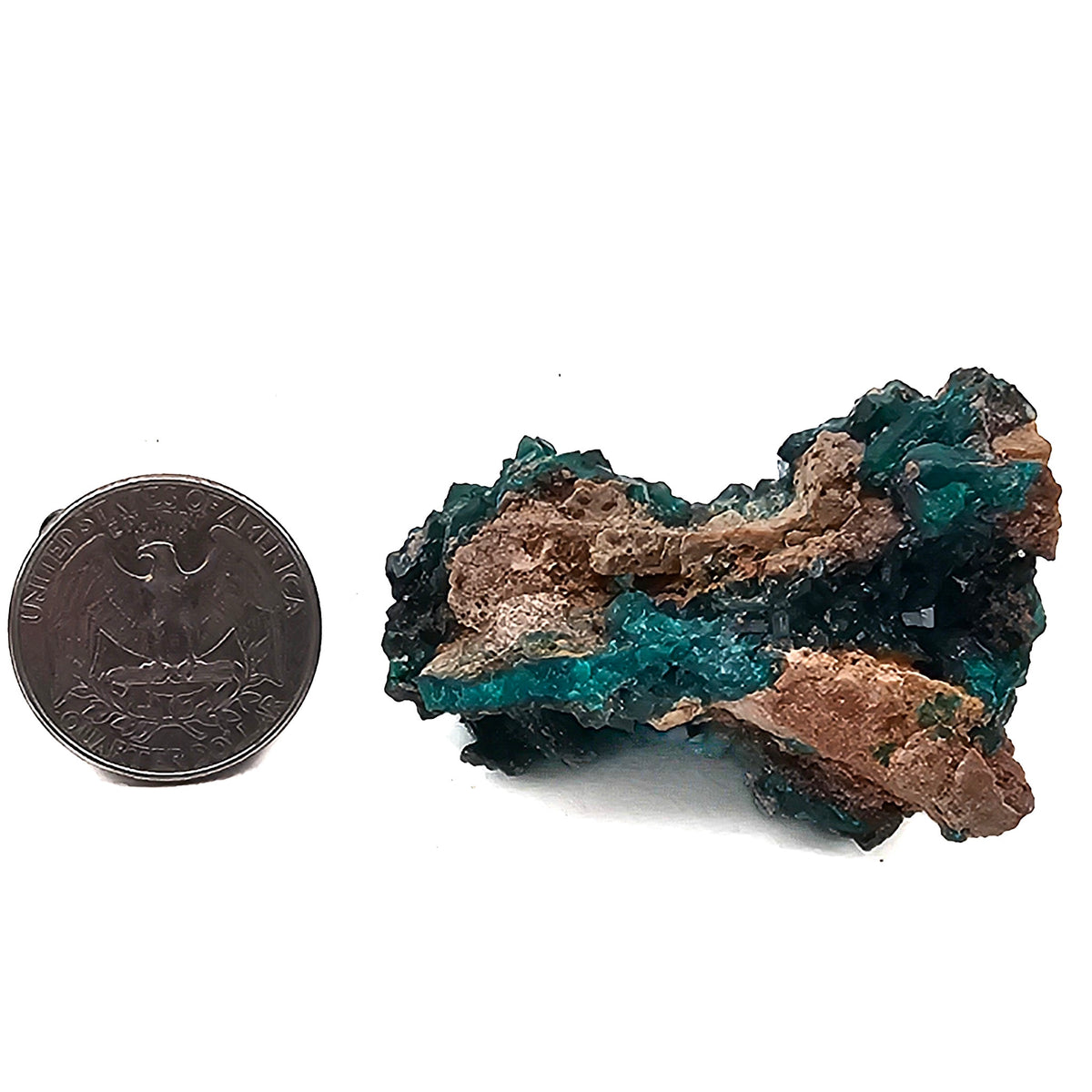
This dioptase specimen shows dense coverage of deep emerald to blue-green crystals across a rough, iron-stained matrix. The crystals are sharp and glassy, forming tight clusters with a mix of small prismatic and blocky forms that catch light well despite the darker saturation. Areas of earthy brown host rock and lighter mineral patches break up the surface, giving the piece contrast and a more natural, untouched look.
Dioptase is often associated with emotional release, honesty, and confronting difficult truths. It tends to appeal to people drawn to strong color and intensity, both visually and symbolically.
Chemical Composition: CuSiO3·H2O
Quantity: 1pc
With this product, you will get the actual stone in the photograph.